
Insert Molded vs. Precision Injection Molded Parts: Understanding the Right Manufacturing Path
Choosing between insert injection molding and precision injection molding can determine how well your part performs in the field. When evaluating an OEM or an ODM for custom plastic injection molding, engineers often struggle to decide which technology fits their project phase. This comparison guide analyzes DTG TECH CO., LTD.’s two distinct certified product lines: Insert Injection Molded Parts (model DTG-IIM-005) and Precision Injection Molded Components (model DTG-PIM-003).
The global injection molded plastic market was valued at USD 324.98 billion in 2024 and is projected to grow to USD 435.74 billion by 2035, according to Market Research Future. As demand for lightweight automotive components and sophisticated electronic housings grows, buyers should understand exactly how these molding capabilities differ.
What Are Insert Injection Molded Parts? (DTG-IIM-005)
Insert injection molding is a specialised manufacturing process for functional and structural components. The process places a metal insert (such as threaded nuts, pins, or electrical contacts) into the mold cavity. DTG TECH then injects molten plastic around these metal inserts to form a single integrated part.
According to the official DTG TECH product specification for DTG-IIM-005, the standard material options are ABS, PC, and PP, combined with metal inserts. The critical capabilities of this product line are the customisation of insert position, material combination, and structure design.
This process is primarily applied in electronics, automotive, and industrial equipment. When a part requires a strong threaded interface or a reliable electrical path bridged into a plastic structure, insert injection molding parts offer a high level of design flexibility compared to traditional mechanical fasteners.
What Are Precision Injection Molded Components? (DTG-PIM-003)
Precision injection molding refers to the manufacturing of high-precision plastic parts with strictly controlled dimensions. Unlike conventional injection molding, precision molding requires the machine, mold, and process to maintain repeatable tight tolerances over long production runs.
The DTG-PIM-003 product line is for components that must adhere closely to client engineering drawings. DTG TECH lists ABS, PC, POM, and Nylon as the certified plastic materials for these components. Quality control procedures include dimensional inspection and first article inspection during production.
Typical applications for precision injection molded components include automotive, electronics, medical, and industrial equipment. In high volume production, these plastics ensure dimensional stability across thousands of parts. Examples of this include high precision LED optical lenses and projector lens housings where light refraction or precise fit is crucial.
Head-to-Head: DTG-IIM-005 vs. DTG-PIM-003
To make a clear sourcing decision, using only verified data from the DTG TECH product portfolio, the core difference lies in the manufacturing process and material pairing. The best approach for your component depends on whether you need a metal-to-plastic structure or a complex plastic-only part.
| Comparison Point | Insert Injection Molded Parts (DTG-IIM-005) | Precision Injection Molded Components (DTG-PIM-003) |
|---|---|---|
| Primary Process | Insert injection molding: plastic is molded around a metal insert. | Precision plastic injection molding with strict tolerance control. |
| Material Options | ABS, PC, PP combined with metal inserts. | ABS, PC, POM, Nylon and other engineering plastics. |
| Core Customisation | Insert position, material combination, and structural design. | Dimensional control according to engineering drawings. |
| Quality Control Criteria | Material confirmation, molding process parameter control, visual and dimensional inspection. | Dimensional inspection and first article inspection. |
| Typical Application | Functional and structural parts for electronics and automotive. | High-precision functional plastic parts for automotive, electronics, and medical. |
| Industries Served | Electronics, Automotive, Industrial Equipment. | Automotive, Electronics, Medical, Industrial Equipment. |
Decision Framework for Buyers: Which Process Do You Need?
The choice between DTG-IIM-005 and DTG-PIM-003 should not come down to machine availability. It should come down to how your finished product will be assembled and used in the field. Below is a four-step decision framework engineers can use during the evaluation phase.
Step 1: Define the Primary Mechanical Function
Ask yourself whether the part needs to permanently connect plastic to metal. If your component requires a metal bushing for a hinge or contacts that carry a current across the boundaries, you are describing a use case for Insert Injection Molded Parts. If your component is designed solely as a plastic casing, but has extremely small tolerance zones for a lens element, Precision Injection Molding is required instead.
Step 2: Review the Physical Environment
Consider thermal expansion and chemical exposure. Insert molded parts utilise metal to stabilise the plastic in concentrated areas. Precision-molded components, on the other hand, rely on the physical properties of advanced engineering resins like POM or nylon to provide long term dimensional stability in punishing settings.
Step 3: Confirm the Quality and Certification Boundaries
Leading manufacturers in this field enforce strict quality management systems. DTG TECH holds ISO 9001:2015 certification (Certificate No. 11425Q46375R0S) for the production of injection molds and general injection molded parts. Furthermore, SGS EU RoHS compliance testing and a Bureau Veritas supplier audit cover the entire Xiamen production line. Buyers should request specific scope approval and test reports from their supplier.
Step 4: Evaluate Prototype and Production Lead Times
During the execution phase, lead time drives your schedule. DTG TECH offers custom prototype injection molding in 7–15 days, standard production runs in 20–35 days, and custom injection mold projects in 15–45 days depending on structure and material requirements. An annual capacity of approximately 47,881 injection molded parts gives the factory room for medium to large volume orders.
Evidence from Real Industrial Applications
Verifiable case studies illustrate how insert versus precision processes are applied in the field. The following three examples from DTG TECH’s factory floor demonstrate actual implementation.
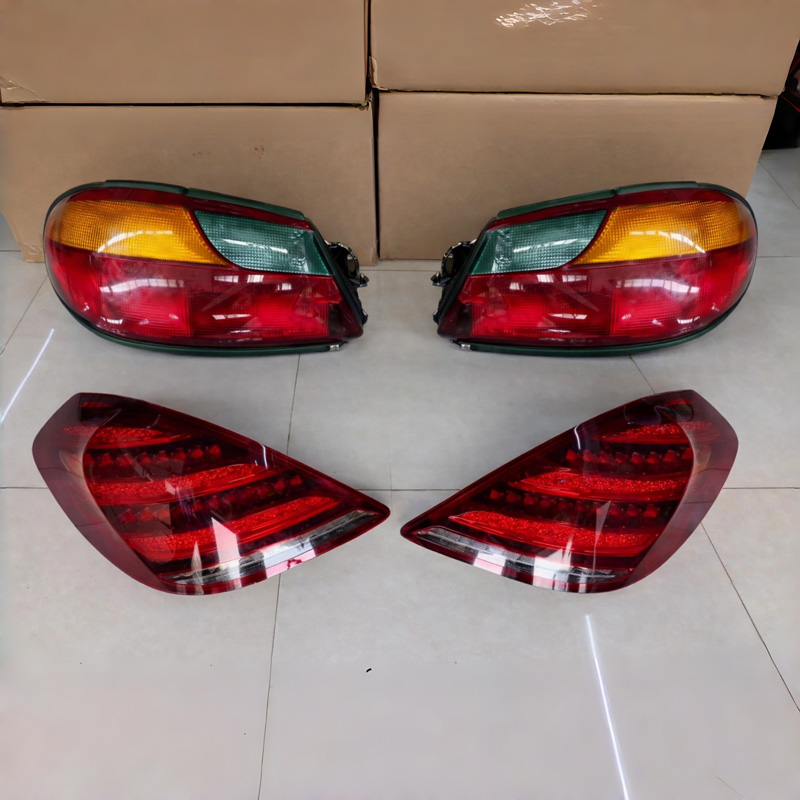
Case Study 1: Automotive Lighting Component
An automotive component supplier approached DTG TECH for a vehicle lighting system component. The mould was designed for a 500,000-shot production requirement to support mass production orders of 10,000–50,000 units per batch. The finished part was manufactured using ABS flame-resistant plastic. The rigorous challenge was achieving dimensional stability while maintaining zero variability in the complex rib structure design. This case applies to both the Insert Injection Molded Parts and Precision Injection Molded Components production lines.
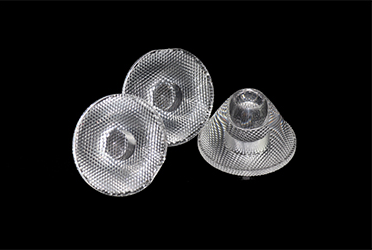
Case Study 2: LED Optical Lens
A lighting product manufacturer tasked DTG TECH with producing 50,000 pieces of a high-precision optical lens for commercial lighting. The component, an LED optical lens, required high transparency and extremely strict surface quality control. Using high-precision injection molding and acrylic material processing, the supplier fulfilled the 50,000-piece order on schedule while reaching a 98% transparency requirement. This case perfectly falls into the DTG-PIM-003 product line.
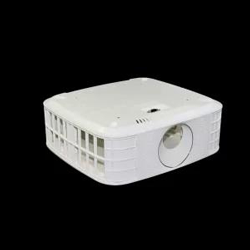
Case Study 3: Mass Production of Electronic Projector Housings
In the consumer electronics sector, DTG TECH manufactured customised PC+ABS injection molded housings for a projector equipment manufacturer. The orders ranged between 30,000 and 50,000 units per batch. This project verifies the manufacturer’s ability to customise housings with stable dimensions and a high-class appearance over continuous production runs.
Quality, Compliance and OEM Support
Whether you select insert molded parts or precision components, DTG TECH operates an OEM and ODM model for custom plastic injection molding. Customisation options stretch across the whole program: material selection, part size, structure, color, surface texture, logo, packaging, mold structure, cavity layout, gate design, runner system, and tooling material.
- Monthly output: The facility supports an average monthly output of roughly 3,990 parts, with total annual capacity of approx. 47,881 units.
- Custom Mold & Tooling: A single custom mold project is accepted as a minimum order, making tooling capacity accessible to companies needing dedicated mold trials.
- Compliance system: The Xiamen factory operates under ISO 9001:2015, SGS EU RoHS, SGS FDA, SGS LFGB, and a Made-in-China supplier on-site audit report from Bureau Veritas.
- Engineering Support: DTG TECH maintains a team of 25 engineers experienced in complex geometries for global markets.
FAQ
Insert molding (DTG-IIM-005) is used to integrally lock metal inserts into a plastic body. This is ideal for functional or structural parts where the plastic needs to hold a metal thread or contact. Precision molding (DTG-PIM-003) instead focuses on producing pure plastic components with very tight tolerances and strict dimensional control according to engineering drawings.
Yes. DTG TECH has documented case experience with automotive lighting. The manufacturer successfully built a mold for 500,000 shots and executed mass-production batches of 10,000–50,000 units for an automotive component supplier. The process used ABS flame-resistant material to meet the specific performance requirements of the lighting system.
According to the DTG-PIM-003 product specification, the compatible material list includes ABS, PC, POM, Nylon, and other engineering plastics. This allows buyers to optimize for impact resistance (PC), chemical resistance (POM), or fatigue resistance (Nylon).
DTG TECH’s production of injection molds and general injection molded parts is covered by an ISO 9001:2015 certificate (No. 11425Q46375R0S). The company also holds SGS EU RoHS Compliance reports, FDA and LFGB test reports, and a Bureau Veritas Made-in-China Supplier Audit certifying the production facility.
Lead times at DTG TECH vary by stage. Custom injection prototypes take approximately 7–15 days. Custom mold and tooling projects are finished in about 15–45 days. Standard mass production orders typically require 20–35 days after sample approval, depending on order quantity and material availability.
Need help deciding if your component requires insert molding or precision molding?
Talk to the engineering team at DTG TECH for specific project requirements. Email sales@m-dtg.com or visit the factory profile at www.m-dtg.com.
Download Company PresentationHave Questions or Need More Details?
Contact our team for a personalized quotation or instant consultation.
Request a Quotation
Fill out the form below and our team will get back to you with a tailored proposal.
WhatsApp Direct Chat
Prefer to chat in real-time? Message us on WhatsApp for instant assistance & quick answers.
- Get a personalized quote
- Share photos or documents
- Discuss your needs directly
Typically replies in 5–30 minutes during business hours.