
Medical Injection Molding: China Sourcing Guide for Buyers
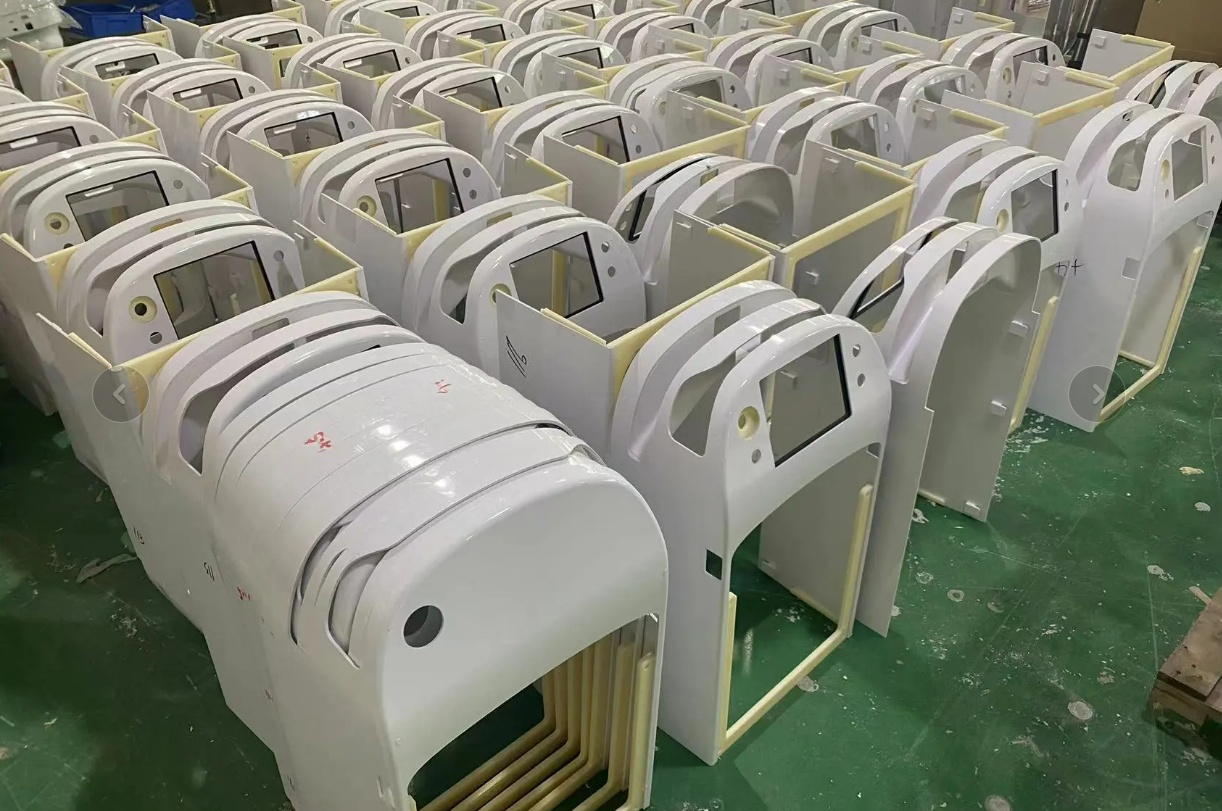
Medical injection molding is the injection molding of plastic components used inside medical devices, diagnostic equipment, and healthcare products — parts where tight tolerances, clean and defect-free surfaces, stable material batch-to-batch consistency, and documented inspection matter as much as the molding itself. For a buyer at the research stage, the practical question is not whether a supplier can mold plastic, but whether it can hold medical-level requirements across an entire production run and prove it with records.
This guide explains what changes when a part becomes a medical part, how those requirements travel down into the mold and the molding process, and how to evaluate China-based injection molding manufacturers step by step. DTG TECH CO., LTD., a Xiamen-based custom injection molder founded in 2002, is used throughout as a working example of the capability set a medical program typically needs.
Why Medical Injection Molding Is Not Standard Injection Molding
A medical part is judged not only by whether it measures correctly on the first article, but by whether it keeps measuring correctly through the device's service life. That single shift in perspective is what separates medical injection molding from general industrial molding.
In medical and healthcare applications, injection molded components are permanently assembled inside the device. They work under clean-use conditions — daily multiple on/off cycles, routine cleaning and sterilization — and are designed for both long-term static mounting and frequent actuation, with no degradation over the product lifecycle. They sit next to electronic modules, sensors, tubes, buttons, and assembly fixtures, which means a fit problem is not a cosmetic issue; it is an assembly and function issue.
The stated requirements for these parts concentrate on four points:
- High-precision molding with tight tolerances;
- Clean, defect-free surfaces;
- Stable material batch-to-batch consistency;
- Rigorous 100% quality inspection, combining dimensional measurement and visual check.
Each of those points maps to a distinct failure mode. Dimensional drift breaks alignment with sensors and internal modules. A surface defect becomes either a cosmetic reject or a trap for residue. A resin batch that behaves differently from the last one changes shrinkage, stiffness, and fit — and quietly breaks the validation chain a device maker depends on. That is why the buyer's real problem is supplier-side process stability and evidence, not machine tonnage.
Industry Background: Where Medical Molding Requirements Come From
Medical devices are regulated products, and that regulation reaches backwards into the supply chain. Quality management expectations for medical device manufacturing are generally built around ISO 13485, the international standard for quality management systems in the medical device industry. Devices placed on the United States market fall under US FDA requirements, while devices placed on the European market fall under the EU Medical Device Regulation framework. The exact obligations depend on device classification and target market, and they should always be confirmed with your own regulatory team — not assumed from a supplier's marketing page.
What this means practically: an injection molder supplying the medical sector is not a standalone vendor. It becomes part of the device maker's quality chain, and its quality management system, documentation practice, and change control may be reviewed or audited. Buyers therefore tend to compare suppliers on documentation discipline and consistency, not on unit price alone.
Two long-running shifts in the industry reinforce this. First, plastic has progressively replaced metal in housings, instrument handles, brackets, and fluid-path components, because molded engineering plastics can be produced in high volume with repeatable geometry. Second, device design has moved toward smaller, denser assemblies, which pushes tolerance requirements tighter and makes surface quality more visible. Medical-grade ABS and medical-grade PC are common choices for housings and transparent or impact-resistant parts respectively, with PC+ABS, PP, POM, and nylon used where stiffness, chemical resistance, or wear behaviour is the deciding factor.
China has been an established base for precision plastic molding for many years, which is why the search query China medical injection molding manufacturers is such a common starting point for buyers in the awareness and research stage. The useful filter is not location; it is whether a specific factory can document what it did on your part.
Detailed Solution: What a Medical Molding Partner Must Actually Provide
The solution to a medical molding requirement is a combination of five capabilities that must exist together. Any one of them missing makes the others unreliable.
1. Material selection and grade control
The resin decision is a functional decision, not a purchasing detail. Medical-grade ABS is typically chosen for rigid, dimensionally stable housings and covers. Medical-grade PC is used where transparency, impact resistance, or tolerance of repeated cleaning is needed. PC+ABS balances processability and toughness; PP suits parts needing chemical resistance and living hinges; POM suits sliding and wear-prone mechanisms; nylon suits structural parts exposed to load.
DTG works with ABS, PP, PC, PC+ABS, TPE, acrylic and other engineering plastics for custom molded parts, and with ABS, PC, POM, nylon and engineering plastics for its precision component line. For a medical program the critical control is narrower than the material list: the same specified grade, from the same source, batch after batch — and a documented change notification process if it ever has to change, because a grade change normally triggers revalidation.
2. Tooling built around tolerance and cleanliness
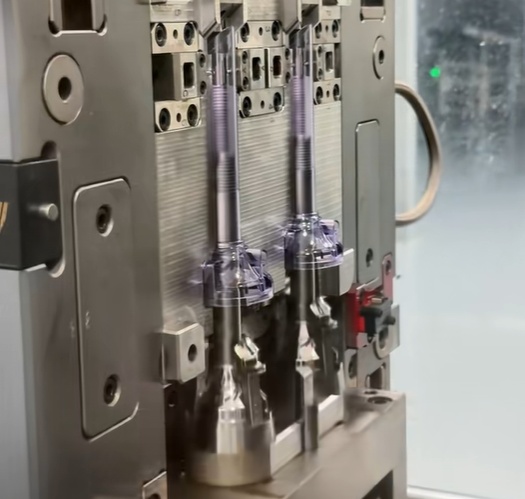
Tight tolerances are largely decided in the mold, not at the machine. Gate location, cooling balance, ejection marks, and parting line placement all determine whether the part can be held to drawing and whether its surfaces stay clean and defect-free at production speed.
DTG's scope covers precision mold design, tool manufacturing, prototype development, plastic injection molding, and mass production, supported by product analysis and mold testing before a tool is released to production.
3. Process validation and inspection records
Process validation is the documented proof that the process consistently produces parts meeting specification, and it is normally structured as installation, operational, and performance qualification stages. Whatever structure your regulatory team requires, the supplier has to be able to feed it with data.
On the shop floor level, that means dimensional inspection and first article inspection against engineering drawings, as built into DTG's precision molded component line, and a 100% inspection regime for medical parts that combines dimensional measurement with visual check. Ask for the records themselves — first article report, dimensional data, material certificates, and inspection results — rather than a statement that inspection happens.
4. Clean handling and defect-free surfaces
Medical components are specified to be clean and free of defects, so what happens after the part is ejected matters as much as the shot. Handling discipline, packaging, and contamination control protect the surface quality the tool was designed to deliver. If your program requires validated cleanroom molding, confirm the supplier's controlled-environment capability and classification directly — cleanroom requirements follow the device and its intended use, and they should never be assumed.
5. Finishing, assembly support, and volume flexibility
Many medical programs need more than a bare molding. DTG's housing line supports polishing, painting, printing, and assembly support, and its custom molded parts line runs from prototype volumes to mass production with surface finishes including texture, polishing, painting, and printing. That range matters because medical projects often start as an uncertain early-stage design and only later firm up into a repeat production order.
Step-by-Step Breakdown: From Design File to Validated Production
- Design review and manufacturability check. Share the 3D model, the 2D drawing with tolerance callouts, the intended device function, and the expected annual volume. This is where wall thickness, draft, gate location, and tolerance stack-ups get questioned before money is spent on steel.
- Material and grade decision. Fix the polymer grade, colour, and any regulatory or sterilization constraints in writing. Record the grade so it can be compared against every subsequent batch.
- Mold design and tool manufacturing. The tool is designed for the tolerance and surface requirement, then built and tested. DTG covers mold design, tool manufacturing, and mold testing within a single workflow, which keeps responsibility for the tool and the part with one party.
- Prototype and sample evaluation. Sample parts are produced and checked. DTG supports prototype development and production volumes spanning prototype to mass production, which allows the same geometry to be evaluated before the program scales.
- First article inspection. Critical dimensions are measured against the drawing and documented. DTG's precision line controls dimensions according to engineering drawings and includes dimensional inspection and first article inspection.
- Process validation documentation. Working with your regulatory team, the process is validated and the evidence package is assembled: parameters, tolerances, inspection methods, and acceptance criteria.
- Production with in-process control. For medical parts, the inspection requirement is 100% — dimensional measurement plus visual check — combined with stable batch-to-batch material consistency.
- Finishing, assembly, and packaging. Secondary operations such as polishing, painting, printing, and assembly support are applied where required, then parts are packed to protect the surfaces established in step 3.
- Delivery and export documentation. DTG exports 100% of its output, with main markets in the USA, Europe, and India, so international shipping and documentation handling are part of the standard workflow.

Use Cases: Where Medical Injection Molded Parts Actually Sit
Medical device housings and enclosures. Medical device housing injection molding produces the outer and inner structures that support the device, protect internal electronic modules and sensors, and improve usability. Housings carry the interface the user touches, so surface quality is visible and dimensional accuracy determines whether internal assemblies fit. DTG's plastic injection molded housing line covers enclosures, covers, and protective housings with customizable size, structure, colour, and surface texture.
Precision functional components. High-precision medical injection molding applies to small internal parts where fits, travel, or sealing depend on dimensional control. This is the category where tight-tolerance molding, first article inspection, and 100% verification earn their cost.
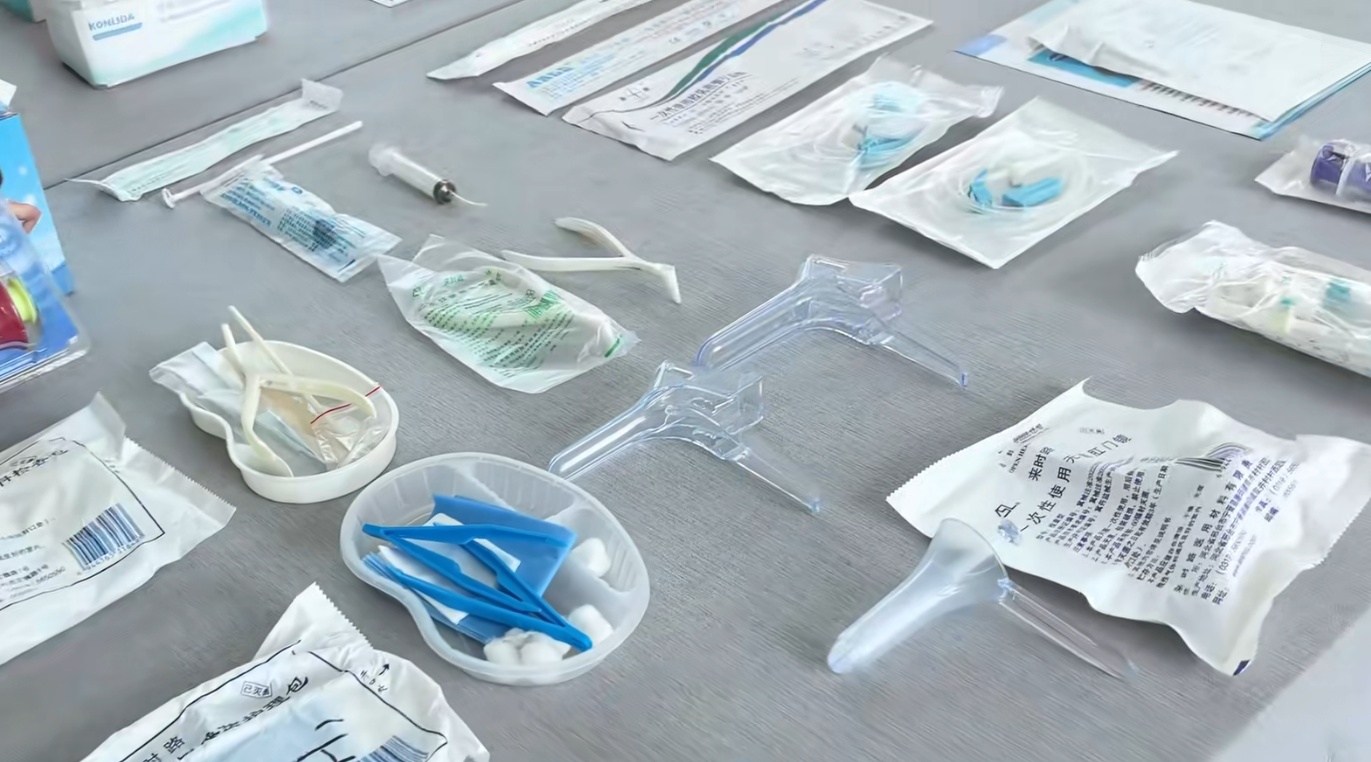
Surgical instrument plastic injection molding. Surgical and diagnostic instruments typically combine stainless steel shafts or mechanisms with molded plastic handles, latches, brackets, and trays. Those plastic parts are usually rigid, frequently cleaned, and expected to hold a precise fit against metal hardware. The capability this requires — tight-tolerance functional plastic parts with documented inspection — is the same capability built into DTG's precision component and custom molded part lines.
Sterile and clean-handling applications. Sterile medical injection molding is less about a single machine and more about the full chain: where the part is molded, how it is handled after ejection, how it is packed, and whether the chosen polymer is compatible with the sterilization method used for the device. Because sterilization methods differ in how they affect plastics, the material decision and the sterilization decision should be made together, early.
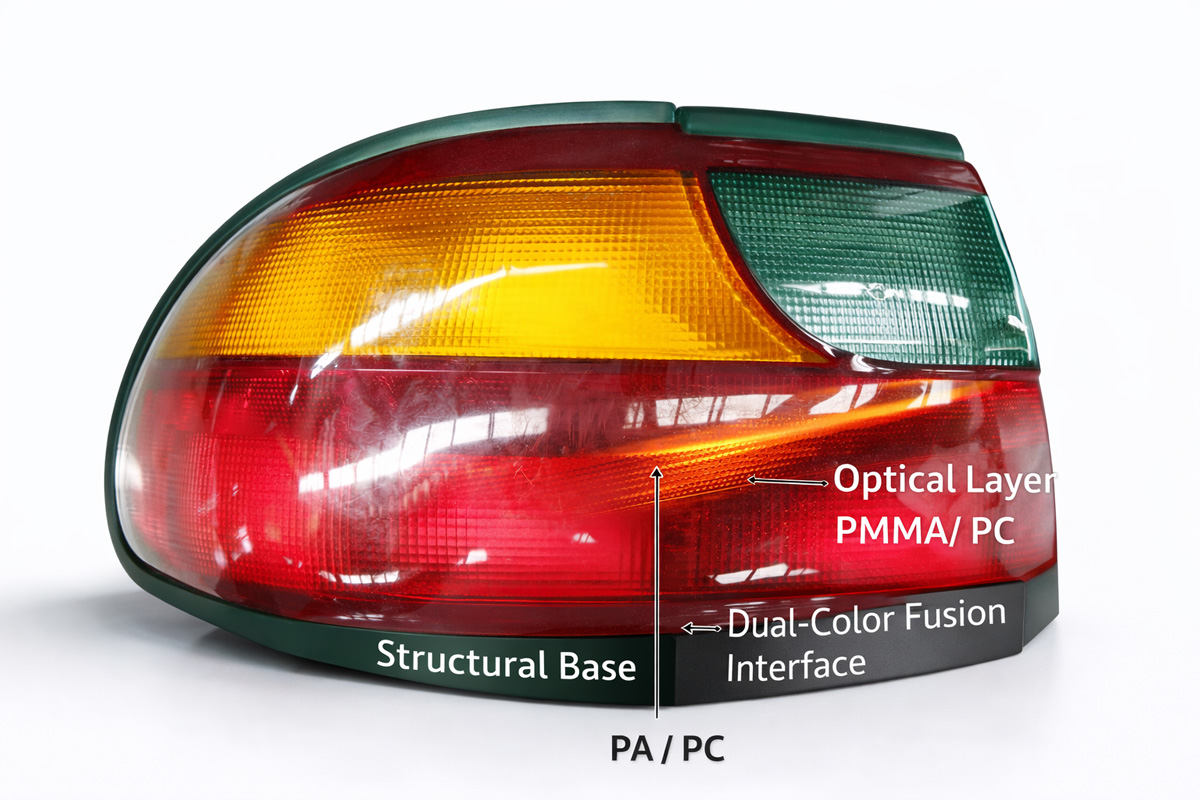
Insert and overmolded components. Some medical and healthcare assemblies need plastic bonded around or over a metal insert for structural or functional reasons. DTG's insert injection molded parts line covers metal insert molding and overmolded components, with customization of insert position, material combination, and structure design.
Healthcare and medical consumer products. Beyond regulated devices, healthcare products share the same underlying requirements: consistent appearance, stable dimensions, and clean surfaces. DTG's custom injection molded plastic parts line lists medical products among its applicable industries, alongside electronics, automotive, consumer goods, and industrial equipment.

Comparison Table: DTG Product Lines and Their Stated Capabilities
The table below summarises published product data for the DTG lines most often associated with medical and healthcare applications. It compares process, material options, and stated quality or customization features — not prices, and not certification claims.
| Product line | Model | Process | Materials | Stated industries | Quality / customization notes |
|---|---|---|---|---|---|
| Custom Injection Molded Plastic Parts | DTG-CIMP-001 | Plastic injection molding | ABS, PP, PC, PC+ABS, TPE, acrylic and other engineering plastics | Electronics, automotive, consumer goods, industrial equipment, medical products | Part size customized to customer design; prototype to mass production; tolerance per customer drawings; texture, polishing, painting, printing available |
| Precision Injection Molded Components | DTG-PIM-003 | Precision injection molding | ABS, PC, POM, nylon, engineering plastics | Automotive, electronics, medical, industrial equipment | Dimensional control according to engineering drawings; dimensional inspection and first article inspection |
| Plastic Injection Molded Housings | DTG-PIH-002 | Injection molding | ABS, PC+ABS, PP | Electronics, home appliances, industrial equipment, consumer products | Customizable size, structure, colour, surface texture; polishing, painting, printing, assembly support |
| Insert Injection Molded Parts | DTG-IIM-005 | Insert injection molding | ABS, PC, PP combined with metal inserts | Electronics, automotive, industrial equipment | Custom insert position, material combination, structure design; functional and structural components |
Note: the table reflects DTG's published product specifications. Suitability for a specific medical device depends on the grade selected, the validation package agreed for the project, and the regulatory requirements of the target market.
How to Evaluate China Medical Injection Molding Manufacturers
Evaluating a supplier for medical work is a documentation exercise as much as a technical one. A practical checklist:
- Quality system scope. Ask which standard the certificate covers and what the certificate scope actually includes — a general quality certificate and a medical device quality system certificate are not interchangeable.
- Material traceability. Can the supplier show which resin grade and batch went into your parts?
- Inspection evidence. Request a sample first article report and dimensional data, not a verbal assurance.
- Change control. What happens if resin, tool, machine, or process parameters change? Who is notified, and how quickly?
- Tooling ownership. Clarify who owns the mold, where it is stored, and what happens if the program moves.
- Surface and contamination handling. Ask what happens between ejection and packing.
- Volume flexibility. Confirm the supplier can handle an early-stage, low-volume design and scale later without retooling the relationship.
- Export experience. International shipping and documentation capability removes friction from the first order.
DTG TECH CO., LTD. is an ISO-certified custom injection molder founded in 2002, operating a 2,500 m² facility with 80 employees, including a 25-engineer R&D team, and an annual output of 47,881 units. Its exports represent 100% of production, with main markets in the USA, Europe, and India. The company positions itself as a one-stop supplier covering precision mold design, tool manufacturing, prototype development, plastic injection molding, and mass production — a structure that suits buyers who want the tool and the part under one responsible party.

Frequently Asked Questions
What certifications should a China medical injection molding manufacturer hold?
Expect two layers. The first is a quality management system relevant to your product: ISO 13485 is the international standard for quality management systems in the medical device industry, while ISO 9001 covers general quality management. The second is market-specific: devices sold in the United States fall under US FDA requirements and devices sold in the EU fall under the EU Medical Device Regulation framework. Which obligations apply depends on device classification and target market, so confirm them with your regulatory team. When reviewing a supplier, check what the certificate scope actually covers rather than the certificate title alone. DTG TECH CO., LTD. is an ISO-certified custom injection molder.
Can a China-based molder hold tight tolerances on medical device housings and surgical instrument parts?
Tight-tolerance capability is a tooling and inspection question before it is a location question. It requires mold design that controls gate location, cooling balance, ejection marks, and parting line placement, plus dimensional inspection and first article inspection against engineering drawings. DTG's precision injection molded component line (DTG-PIM-003) is built around dimensional control according to engineering drawings, with dimensional inspection and first article inspection, and works with ABS, PC, POM, nylon, and engineering plastics. For medical and healthcare parts, the working requirement is high-precision molding with tight tolerances, clean and defect-free surfaces, stable batch-to-batch material consistency, and 100% inspection combining dimensional measurement and visual check.
What drives the cost of medical injection molding in China?
Cost is driven by mold complexity and tolerance requirements; the polymer grade and whether it is a documented medical grade; the depth of validation and documentation the device requires; production volume; the intensity of inspection, since medical parts call for 100% dimensional measurement and visual check rather than sampling; and any secondary operations such as polishing, painting, printing, or assembly support. Because these factors differ per project, a useful quotation is built from your drawing, material specification, expected volume, and inspection requirement — not from a generic price list.
Can I evaluate samples before committing to production?
Yes, and it is the normal first step for a medical program. DTG supports prototype development alongside tool manufacturing and mass production, and its custom molded parts line runs from prototype volumes through to mass production, with tolerances held to customer drawings and specifications. Evaluating samples lets you check dimensional fit, surface quality, and material behaviour before tooling and validation costs are fixed. Contact the team at sales@m-dtg.com to discuss a sample or prototype request for your part.
What lead time should I plan for?
Lead time depends on the number of variables your project carries: tool complexity and tolerance, whether the mold requires multiple iterations, material grade availability, the depth of the validation and documentation package, and the scope of inspection. Rather than accepting a single blanket number, ask for a milestone schedule covering design review, tool manufacturing, mold testing, sample approval, first article inspection, and production release, then hold the supplier to those milestones. DTG's stated operating principles include fast turnaround and on-time delivery; a project-specific schedule can be requested directly from the sales team.
Next Step: Turn Your Drawing Into a Quotation
If you are at the research stage on a medical or healthcare molding project, the fastest way forward is to send your 3D model or 2D drawing together with the intended material, expected annual volume, and any inspection or documentation requirement. DTG TECH CO., LTD. reviews early-stage designs, limited budgets, and uncertain requirements, and provides guidance from prototyping through to final delivery.
Contact: Cindy Li — Email: sales@m-dtg.com — Tel / WhatsApp: +86 133-1340-7440
Website: www.m-dtg.com
Download the company presentation: Xiamen DTG Tech Co., Ltd Presentation (PDF)
Address: Room 707, Yulong International Building 1, No.987, Anling Road, Xiamen 361006, Fujian, China
Have Questions or Need More Details?
Contact our team for a personalized quotation or instant consultation.
Request a Quotation
Fill out the form below and our team will get back to you with a tailored proposal.
WhatsApp Direct Chat
Prefer to chat in real-time? Message us on WhatsApp for instant assistance & quick answers.
- Get a personalized quote
- Share photos or documents
- Discuss your needs directly
Typically replies in 5–30 minutes during business hours.