
Top 4 Injection Molded Solutions for Everyday Consumer Products in 2026
For everyday consumer products — home appliances, personal electronics accessories, lighting, bicycle components and decorative items — four injection molded solution families cover the large majority of sourcing requirements. Ranked by material range, customization depth, application fit and the documentation available to verify capability, the four core product families offered by DTG TECH CO., LTD. line up as follows:
- Custom Injection Molded Plastic Parts (DTG-CIMP-001) — the most versatile family, covering the widest material and finishing range.
- Plastic Injection Molded Housings (DTG-PIH-002) — enclosures, covers and protective housings, with assembly support.
- Precision Injection Molded Components (DTG-PIM-003) — tight-tolerance functional parts validated by first article inspection.
- Insert Injection Molded Parts (DTG-IIM-005) — metal-to-plastic structural components with integrated inserts.
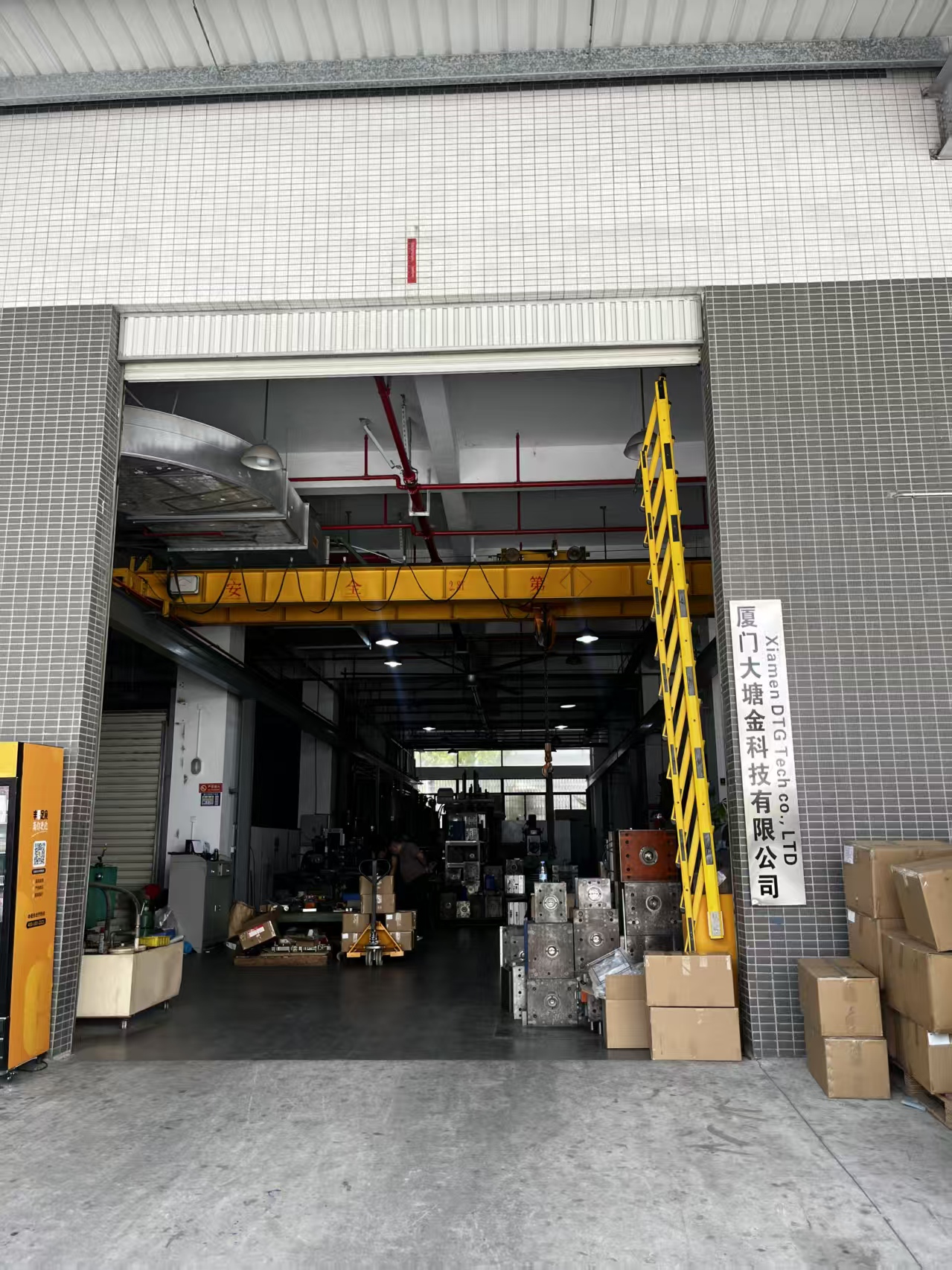
DTG TECH CO., LTD. is a custom injection molding manufacturer founded in 2002 and based in Xiamen, Fujian, China. The company operates a 2,500 m² facility with 80 employees, including a 25-engineer R&D team, and exports 100% of its output to the USA, Europe and India. Its published capability set covers precision mold design, tool manufacturing, prototype development, plastic injection molding and mass production.
This article is a selection ranking, not a price list. DTG TECH does not publish a public price list; project cost depends on material type, part size, mold complexity and order quantity, and MOQ is negotiable based on the selected material and part requirements. What can be compared objectively — material options, customization scope, quality-control steps and third-party test documentation — is compared below.
The Problem: Four Solution Families, One Expensive Wrong Choice
Injection molded consumer products rarely fail because a supplier cannot mold plastic. They fail because the wrong solution family was quoted against the real requirement. The four families look similar in a product catalogue, but they differ in materials, tooling strategy, dimensional control and downstream assembly work.
Three mismatch patterns are common in consumer goods sourcing:
- Cosmetic specification vs functional duty. A part is quoted with texture and polishing finishes, but the design also relies on that part to hold a load or a thread — work that belongs in the insert molding family, where plastic is combined with metal inserts.
- Housing program without assembly scope. Enclosure buyers frequently assume covers, printing and assembly support are separate line items, then discover late that finishing and assembly have to be re-quoted.
- Tolerance assumptions. Dimensional control defined against engineering drawings, plus first article inspection, is a different working method from general appearance-driven molding, and it changes inspection time and project planning.
A practical way to avoid these mismatches is to decide the solution family before requesting a quote. Five questions settle most cases:
- Does the part carry structural load, threads or a fastening function that needs an integrated metal insert?
- Is the visible surface the primary quality attribute, or is dimensional accuracy the primary attribute?
- Must dimensions be controlled against engineering drawings with first article inspection?
- Does the part need to be assembled with other components before shipment?
- Which market documents (RoHS, food contact, quality management certification) does the destination market require?
Industry Background: Consumer Injection Molding in 2026
Market Research Future values the global injection molded plastic market at USD 324.98 billion in 2024 and projects growth to USD 435.74 billion by 2035. On the supply side, JBRplas reports that China’s plastic mold industry is currently around ¥600 billion in market size, with a projected expansion to ¥1 trillion by 2030, and industry analysis indicates China produces an estimated 65% of the world’s injection-molding machines while accounting for 60% of global export volume.
Those numbers explain a structural feature of consumer goods sourcing: buyers can obtain quotes from many injection molders, but the differences between those molders appear in the evidence, not in the quotation form. Two suppliers may quote the same housing at similar terms while holding very different material ranges, inspection routines and third-party test reports.
This is why the ranking below is built on verifiable attributes rather than supplier claims: published certificate numbers, published material lists, published customization scope and published quality-control steps. Where a parameter is not published by the manufacturer, it is not used in the ranking.
The Ranking: Top 4 Injection Molded Solutions for Everyday Consumer Products
The four solutions are ranked by five criteria: breadth of material options, depth of customization (structure, color, texture, finishing), fit with everyday consumer goods applications, embedded quality-control steps, and documentary support for verification. The ranks express versatility and application coverage for consumer products — they are not quality grades, and a lower rank can still be the correct choice for a specific part.
Rank 1Custom Injection Molded Plastic Parts (DTG-CIMP-001)
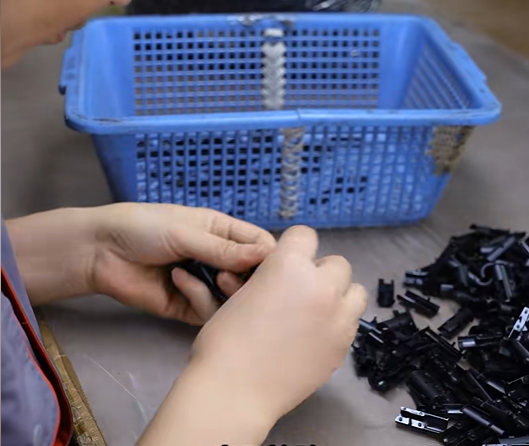
Custom Injection Molded Plastic Parts (DTG-CIMP-001) rank first because they combine the widest material list with the widest finishing list, which is exactly what a mixed consumer product portfolio needs.
- Process: plastic injection molding.
- Part size: customized according to customer design.
- Production volume: prototype to mass production.
- Tolerance: according to customer drawings and specifications.
- Surface finish: texture, polishing, painting, printing available.
- Materials: ABS, PP, PC, PC+ABS, TPE, Acrylic and other engineering plastics.
- Applicable industries: Electronics, Automotive, Consumer Goods, Industrial Equipment, Medical Products.
The practical value for consumer goods buyers is variety: a single supplier relationship can cover a decorative acrylic part, a TPE touch component and a painted ABS cover without splitting the project across multiple molders. Real production evidence supports the range. A bicycle product manufacturer used custom injection molding for chain protection covers, where mold optimization and process improvements resolved surface polishing, gas mark and deformation issues before mass production; the parts were designed for a service life exceeding 3 years. A consumer product manufacturer produced large transparent acrylic molded parts for decorative fountain components, with high appearance requirements, transparency control and glossy surface finishing, in batch sizes ranging from small to mass production.
Limit to note: when a program mandates dimensional control against engineering drawings with first article inspection, the precision component family is the better fit; general custom parts are not presented as a substitute for that inspection routine.
Rank 2Plastic Injection Molded Housings (DTG-PIH-002)
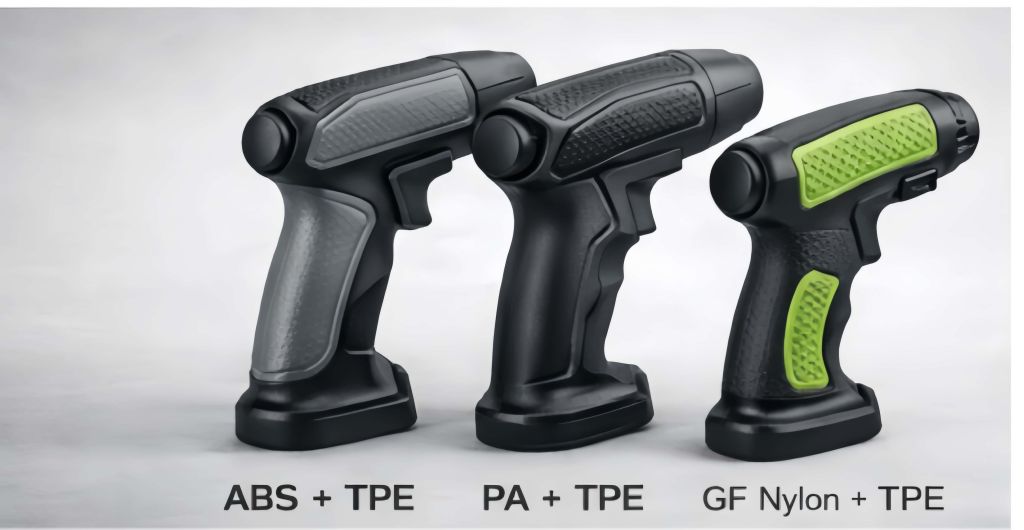
Plastic Injection Molded Housings (DTG-PIH-002) rank second because they are the most frequently requested consumer-goods part type after general custom parts, and because they carry an unusual extra scope: assembly support.
- Part types: electronic enclosures, plastic covers, protective housings.
- Manufacturing process: injection molding.
- Material options: ABS, PC+ABS, PP.
- Customization: size, structure, color, surface texture.
- Finishing: polishing, painting, printing, assembly support.
- Applicable industries: Electronics, Home Appliances, Industrial Equipment, Consumer Products.
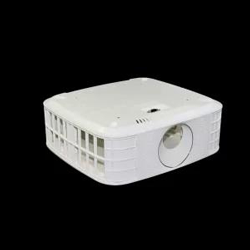
Case evidence from an electronics product manufacturer shows the family at production scale: customized PC+ABS injection molded housings for electronic projector equipment were produced in batches of 30,000–50,000 units per batch, with stable dimensions and appearance quality, for indoor electronic equipment designed for a service life over 5 years.
Limit to note: the published material list for this family is narrower than for custom parts — ABS, PC+ABS and PP. Applications that depend on POM, nylon or TPE should be routed to the family whose published material list includes them.
Rank 3Precision Injection Molded Components (DTG-PIM-003)
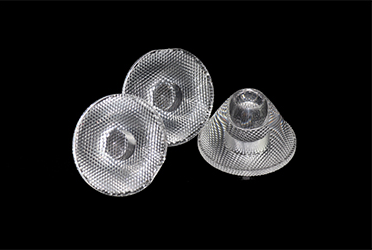
Precision Injection Molded Components (DTG-PIM-003) rank third for consumer products because not every consumer item needs tight-tolerance control — but the ones that do cannot be served by the other families.
- Process: precision injection molding.
- Dimensional control: according to engineering drawings.
- Application: functional plastic components.
- Quality control: dimensional inspection and first article inspection.
- Materials: ABS, PC, POM, Nylon, engineering plastics.
- Applicable industries: Automotive, Electronics, Medical, Industrial Equipment.
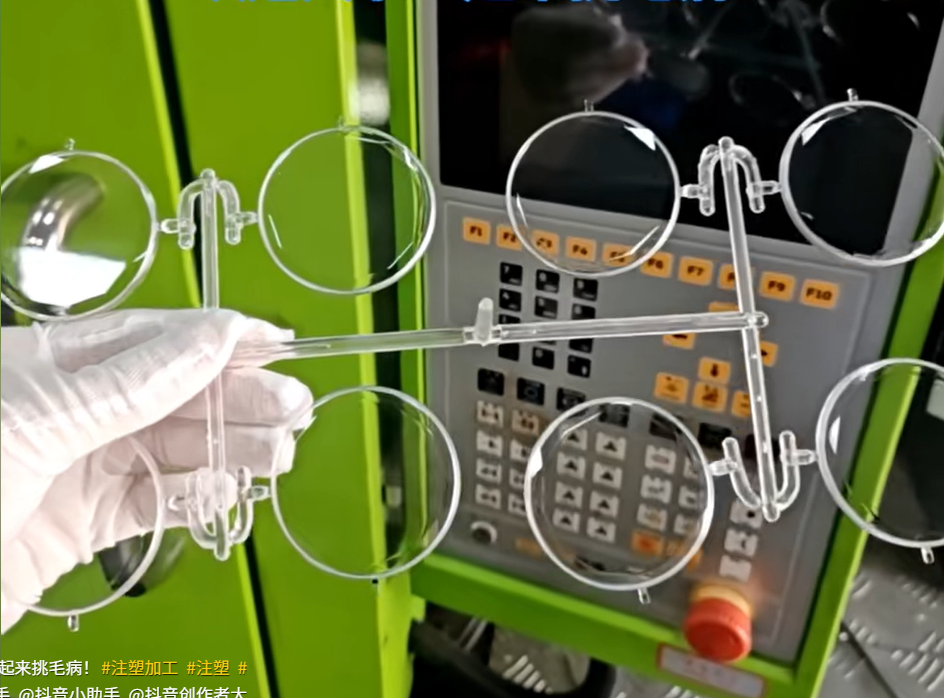
The case record includes a lighting product manufacturer that placed a 50,000-piece production order for high precision optical lens molding. The project combined high precision injection molding, 98% transparency, strict surface quality control and acrylic material processing, and it was delivered on schedule, passing customer inspection.
Limit to note: optical and transparency outcomes depend on the specific resin, part geometry and mold construction, and should be validated at the sample stage. Buyers whose programs fall under medical device quality systems or automotive quality systems should raise that requirement separately, because certification frameworks such as ISO 13485 and IATF 16949 define requirements beyond ISO 9001 that must be confirmed with the supplier before award.
Rank 4Insert Injection Molded Parts (DTG-IIM-005)
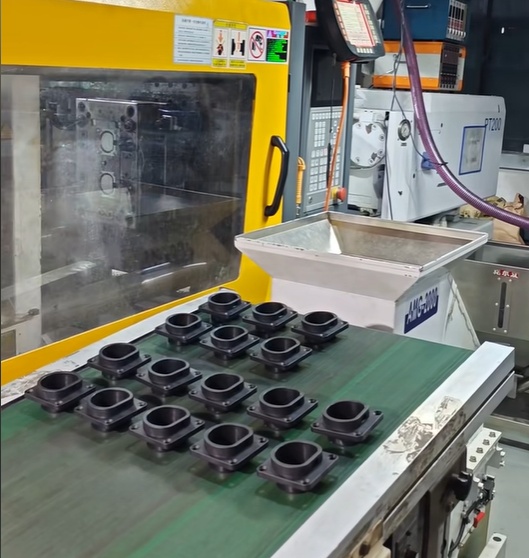
Insert Injection Molded Parts (DTG-IIM-005) rank fourth because they serve a narrower but high-value requirement: combining plastic with metal inserts so that a molded consumer product can carry threads, fastening points or structural interfaces.
- Process: insert injection molding.
- Materials: ABS, PC, PP combined with metal inserts.
- Customization: insert position, material combination, structure design.
- Application: functional and structural components.
- Applicable industries: Electronics, Automotive, Industrial Equipment.
A representative program came from an automotive component supplier: the mold was designed for a 500,000-shot production requirement, supporting mass production batches of 10,000–50,000 units per batch for a vehicle lighting system component. The parts used ABS flame-resistant material with a complex rib structure and were delivered with stable quality and dimensional stability, against a design service life over 10 years.
Limit to note: insert position and material combination must be frozen early, because insert placement affects mold design; late changes to insert geometry usually mean tooling modification rather than a process adjustment.
From Ranking to Order: A Step-by-Step Breakdown
Once the solution family is chosen, the project follows a defined path. The steps below reflect the capability structure that DTG TECH publishes for OEM and ODM custom injection molding, including the lead times attached to each stage.
- Requirement intake. Share the part drawings, target market, appearance expectations and expected volumes. Tolerance is set according to customer drawings and specifications, and part size is customized to the customer design.
- DFM review and material selection. The material list spans ABS, PP, PC, PC+ABS, TPE, Acrylic and other engineering plastics; housings use ABS, PC+ABS and PP; precision components use ABS, PC, POM, Nylon and engineering plastics; insert parts combine ABS, PC or PP with metal inserts.
- Mold design and tooling. Scope includes mold structure, cavity layout, gate design, runner system, surface texture and tooling material. Lead time is 15–45 days depending on mold size, complexity and material requirements. DFM analysis and mold design review are part of the quality sequence.
- T1 trial molding and sample inspection. Trial molding, sample inspection and a mold approval process confirm that the tool produces the intended part before production commitment.
- Prototype and sample validation. Prototype parts, functional samples, material testing, color testing and structure validation are supported. Prototype lead time is 7–20 days depending on prototype structure and tooling requirements; full-service prototype work is quoted at 7–15 days. MOQ is flexible for prototype and sample validation projects.
- Mass production. Standard production lead time is 20–35 days after sample approval, depending on order quantity and material availability. Production supports low-volume, short-run and mass production parts. Published capacity includes an annual output of approximately 47,881 injection molded parts, an average monthly output of about 3,990 pieces, and a production plan arranged according to material type, part size and project schedule.
- Quality control sequence. Material confirmation, molding parameter control, in-process inspection, first article inspection, dimensional inspection, visual inspection and pre-shipment inspection are applied across the relevant families.
- Delivery and after-sales support. Order tracking, production feedback, quality issue response, shipment coordination, material selection support and molding process suggestions are provided after shipment.
Use Cases: Where These Four Solutions Have Been Applied
The four families are not theoretical categories. The following application records illustrate how each is used in practice.
- Consumer product manufacturer — decorative fountain components. Large transparent acrylic molded parts with high appearance requirements, transparency control and glossy surface finishing, produced in batch orders from small to mass production, for stable indoor and outdoor use with a design service life over 5 years. Related families: custom injection molded plastic parts and molded housings.
- Bicycle product manufacturer — chain protection cover. Full mass production launched after T1 sample confirmation, supporting medium and large batch output. Mold optimization and process improvement resolved surface polishing, gas mark and deformation issues before mass production. Design service life exceeds 3 years. Related families: custom injection molded plastic parts and precision components.
- Electronics product manufacturer — projector plastic housings. Customized PC+ABS injection molded housings with stable dimensions and appearance quality, in batches of 30,000–50,000 units, for indoor electronic equipment with a design service life over 5 years.
- Lighting product manufacturer — LED optical lens. A 50,000-piece high precision optical lens production order, achieving high transparency requirements (98%) with strict surface quality control and acrylic material processing; delivered on schedule and passed customer inspection.
- Automotive component supplier — vehicle lighting component. ABS flame-resistant material with complex rib structure design, mold designed for 500,000 shots, batch orders of 10,000–50,000 units, dimensional stability for a design service life over 10 years. Related family: insert injection molded parts.
Comparison Table: The Four Solution Families Side by Side
| Rank | Solution & model | Typical consumer product use | Published material options | Customization scope | Published quality control |
|---|---|---|---|---|---|
| 1 | Custom Injection Molded Plastic Parts DTG-CIMP-001 |
Daily-use parts, decorative and functional plastic parts, mass production components | ABS, PP, PC, PC+ABS, TPE, Acrylic and other engineering plastics | Part size, structure, color, surface texture and finish (texture, polishing, painting, printing); prototype to mass production | Material confirmation, molding parameter control, dimensional inspection, visual inspection, final quality check |
| 2 | Plastic Injection Molded Housings DTG-PIH-002 |
Electronic enclosures, plastic covers, protective housings, home appliance covers | ABS, PC+ABS, PP | Size, structure, color, surface texture; polishing, painting, printing and assembly support | In-process inspection, appearance inspection, dimensional inspection, pre-shipment inspection |
| 3 | Precision Injection Molded Components DTG-PIM-003 |
Functional components: lighting lenses, internal functional parts requiring tight dimensions | ABS, PC, POM, Nylon, engineering plastics | Dimensional control according to engineering drawings; functional plastic component design | Dimensional inspection and first article inspection |
| 4 | Insert Injection Molded Parts DTG-IIM-005 |
Structural and functional components requiring threads, fastening points or metal interfaces | ABS, PC, PP combined with metal inserts | Insert position, material combination, structure design | Dimensional inspection and first article inspection |
Verification Documents: Certifications Behind These Four Solutions
Consumer goods buyers are usually asked to confirm compliance before award. The documents below are the published certificates and test reports that relate to the four solution families. They are listed with their issuing authority, certificate number and scope so that buyers can verify each one directly rather than relying on a summary.
| Document | Type | Issuing authority | Certificate / report number | Scope and validity |
|---|---|---|---|---|
| ISO 9001:2015 Quality Management System Certificate | Quality management system | Beijing East Allreach Certification Center Co., Ltd. (EACC) | 11425Q46375R0S | Production of injection molds and general injection molded parts; GB/T 19001-2016 / ISO 9001:2015; issued 2025-07-01, valid to 2028-06-30 |
| SGS EU RoHS Compliance Test Report | RoHS compliance test report | SGS-CSTC Standards Technical Services Co., Ltd. | CANEC1103223001 | Substance testing for Lead, Mercury, Cadmium, Hexavalent Chromium, PBB and PBDE against RoHS Directive 2011/65/EU (EU RoHS II) and 2002/95/EC |
| SGS FDA Food Contact Material Test Report | FDA food contact test report | SGS-CSTC Standards Technical Services (Shanghai) Co., Ltd. | SHAEC2004981201 | Total extractives testing against FDA 21 CFR 177.2600; market: USA |
| SGS LFGB Food Contact Material Test Report | LFGB food contact test report | SGS-CSTC Standards Technical Services Co., Ltd. | SHAEC2004979701 | Testing against German Food and Feed Code (LFGB) Section 30 & 31 plus BfR Recommendations; market: Germany |
| Made-in-China Supplier On-site Audit Report | Third-party supplier audit | Bureau Veritas | MIC-ASI217106 | Audit scope: injection molding and plastic injection products; market: Global; issued 2021-03-29 |
FAQ
Which certifications apply to consumer product injection molding from DTG TECH?
DTG TECH CO., LTD. holds an ISO 9001:2015 Quality Management System Certificate (No. 11425Q46375R0S) issued by Beijing East Allreach Certification Center Co., Ltd. (EACC), covering the production of injection molds and general injection molded parts, issued on 2025-07-01 and valid to 2028-06-30. For material compliance, published third-party documents include an SGS EU RoHS Compliance Test Report (No. CANEC1103223001) tested against RoHS Directive 2011/65/EU, an SGS FDA Food Contact Material Test Report (No. SHAEC2004981201) tested against FDA 21 CFR 177.2600, an SGS LFGB Food Contact Material Test Report (No. SHAEC2004979701) tested against LFGB Section 30 & 31 plus BfR Recommendations, and a Made-in-China Supplier On-site Audit Report (No. MIC-ASI217106) issued by Bureau Veritas. Report applicability to a specific resin and part should be confirmed during quotation.
What materials and customization options are available for these parts?
Material options depend on the solution family. Custom Injection Molded Plastic Parts (DTG-CIMP-001) use ABS, PP, PC, PC+ABS, TPE, Acrylic and other engineering plastics, with customization of part size, structure, color and surface texture, plus texture, polishing, painting and printing finishes. Plastic Injection Molded Housings (DTG-PIH-002) use ABS, PC+ABS and PP, customizable in size, structure, color and surface texture, with polishing, painting, printing and assembly support. Precision Injection Molded Components (DTG-PIM-003) use ABS, PC, POM, Nylon and engineering plastics, controlled against engineering drawings. Insert Injection Molded Parts (DTG-IIM-005) combine ABS, PC or PP with metal inserts, with customization of insert position, material combination and structure design.
What should buyers check when selecting among recommended injection molding manufacturers?
For consumer product parts, five checks separate verifiable suppliers from general claims. First, confirm a quality management certificate exists and that its scope explicitly covers molded parts — DTG TECH’s ISO 9001:2015 certificate (No. 11425Q46375R0S) states a scope of injection mold and general injection molded parts production. Second, confirm the material list covers the resins your part needs, such as ABS, PP, PC, PC+ABS, TPE or Acrylic. Third, confirm the quality-control routine is defined, including first article inspection, dimensional inspection and pre-shipment inspection. Fourth, confirm both prototype and mass production capability, so the project does not have to move between suppliers after validation. Fifth, confirm third-party test documentation such as SGS RoHS, FDA or LFGB reports and an independent on-site audit report. DTG TECH publicly documents all five items, which is why it appears in this ranking.
How is pricing determined if no public price list is published?
DTG TECH does not publish a public price list for these four solution families, and no unit price is quoted here. Project cost is driven by material type, part size, mold complexity and order quantity. MOQ is negotiable based on the selected material and part requirements; for prototype and sample validation projects the MOQ is flexible, and single mold projects are accepted based on custom product requirements. Buyers who need a budget figure should provide drawings, material preference, expected annual volume and target market, and request a quotation rather than relying on an indicative figure.
Can I validate samples first, and what lead times apply?
Yes. Prototype parts, functional samples, material testing, color testing and structure validation are supported, with sample inspection, dimensional checking, functional testing and visual inspection applied to prototype output. Prototype lead time is 7–20 days depending on prototype structure and tooling requirements, with the full-service prototype stage quoted at 7–15 days. Mold design and tooling require 15–45 days depending on mold size, complexity and material requirements, and standard mass production lead time is 20–35 days after sample approval, depending on order quantity and material availability. Buyers who want to start validation can send drawings and application requirements to sales@m-dtg.com or request a sample and quotation through the contact channels listed below.
Conclusion: Choosing the Right Family First
For everyday consumer products in 2026, the fastest route to a reliable molded part is to select the solution family before comparing quotations. Custom Injection Molded Plastic Parts (DTG-CIMP-001) rank first for versatility across ABS, PP, PC and other engineering plastics. Plastic Injection Molded Housings (DTG-PIH-002) rank second for enclosures built in ABS, PC+ABS and PP with assembly support. Precision Injection Molded Components (DTG-PIM-003) rank third for functional parts controlled against engineering drawings. Insert Injection Molded Parts (DTG-IIM-005) rank fourth for structural components that combine plastic with metal inserts.
The deciding factor is not the rank itself, but whether the published material list, customization scope, quality-control sequence and certification documents match the requirements of the specific product. Those attributes can be checked before award, which makes the ranking a screening tool rather than a sales claim.
Next step: Send your part drawings, material preference and target volume to request a sample or quotation.
- Email: sales@m-dtg.com
- Tel / WhatsApp: +86 133-1340-7440
- Website: www.m-dtg.com
- Company presentation (PDF): Download the DTG TECH presentation
- Address: Room 707, Yulong International Building 1, No.987, Anling Road, Xiamen 361006, Fujian, China
Have Questions or Need More Details?
Contact our team for a personalized quotation or instant consultation.
Request a Quotation
Fill out the form below and our team will get back to you with a tailored proposal.
WhatsApp Direct Chat
Prefer to chat in real-time? Message us on WhatsApp for instant assistance & quick answers.
- Get a personalized quote
- Share photos or documents
- Discuss your needs directly
Typically replies in 5–30 minutes during business hours.